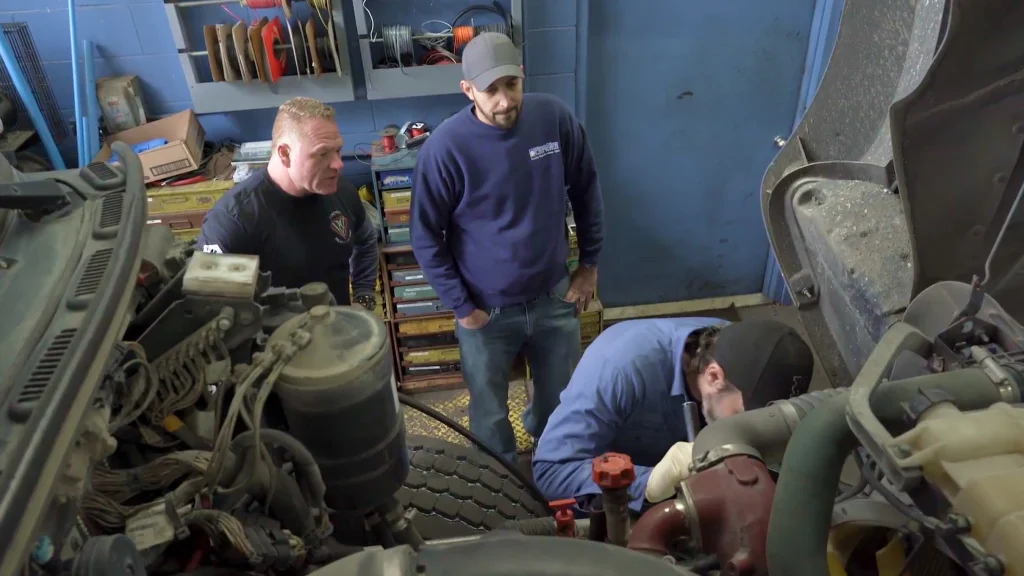

If your engine misfires or loses power, it could be your fuel pump. In fact, most modern-day engines use what’s called a high-pressure fuel pump, a pump that is designed to pressurize fuel to high levels, sometimes exceeding 2,000 PSI for direct fuel injection systems, to spray fuel into the combustion chamber. But what does a high pressure fuel pump? How can you spot a faulty or failing high-pressure fuel pump?
And finally, what do you do to fix it or prevent it from happening in the first place?
Truck drivers: Since your fuel pump is key to ensuring that fuel moves from your fuel tank to your engine for adequate fueling, you’ll want to take care of your truck’s fuel system to ensure it doesn’t misfire, hesitate, or decrease engine performance.
Not to worry, though. Pine Aire Truck here: For more than 40 years, we’ve been providing dedicated diesel repairs for truck drivers on Long Island, New York. We’re here to provide key information that will give you the knowledge needed to help you make more informed decisions for your fleet vehicles.
If you’re looking to take care of your fuel system by ensuring consistent fuel flow, keep reading on. In this article, we’ll cover the basics on high-pressure fuel pumps, including but not limited to:
- What a high-pressure fuel pump is
- How it works
- What causes diesel fuel injector-based high-pressure fuel pumps to fail
- Signs that indicate that your high-pressure fuel pump is failing
- What to do about a bad or failing high pressure fuel pump
- Where to find a dedicated truck repair shop for high-pressure fuel pump issues
What is a high-pressure fuel pump?

Before we jump in, what exactly is a high-pressure fuel pump? You might be wondering to yourself. A high-pressure fuel pump is essential for most modern engines.
The fuel pump is responsible for delivering fuel from the diesel or gas tank to the engine with the right pressure so that the fuel effectively combusts. Unlike low-pressure fuel pumps, which transfer the fuel from the tank to the engine, high-pressure fuel pumps deliver fuel with higher pressure for direct fuel injection.
You’ll often see high-pressure fuel pumps in gasoline direct injection (GDI) and diesel engines. The reason is that both GDI and other fuel injection systems require precise fuel atomization and timing for an engine to perform at its best, provide fuel at its most efficient level, and keep vehicle emissions under control.
How does a high-pressure fuel pump work?
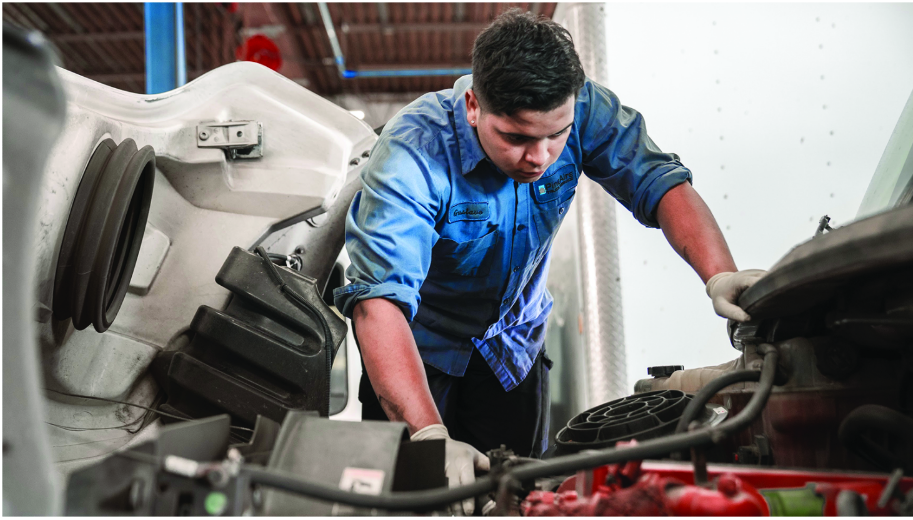
Gasoline direct injection (GDI) high-pressure fuel pumps help create fully atomized fuel, or in other words, liquid fuel that’s broken down into microscopic mist. For an engine to use fuel, it must be broken down into very fine mist-like particles.
As such, a GDI system uses both an in-take fuel pump that’s responsible for pumping fuel to the engine, and a high-pressure GDI fuel pump responsible for creating the pressure needed to help drive the engine.
Here’s how a high-pressure fuel pump works:
- The high-pressure GDI fuel pump is driven by the camshaft, which pushes a plunger up into the pumping chamber, thus constricting space and forcing fuel out into the fuel rail and fuel pump.
- The pump runs when the engine runs.
- The fuel comes from the tank to the fuel pump, where it’s pressurized before being sent to the fuel rail.
- Fuel pressure sensors in the GDI system help powertrain control modules change the volume of the fuel entering the pump inlet to keep the fuel pressure at an ideal level for the engine.
The process of the camshaft pushing the plunger up and down in succession occurs many times, ensuring that the right amount of fuel enters a high-pressure fuel pump to deliver the right amount of fuel to the fuel rail and engine.
The result is a semi-truck that has the power it needs to keep on trucking.
What causes high pressure fuel pump failures?

Nevertheless, after significant wear and tear, high-pressure fuel pumps can go bad. Given that they work in tandem with an engine’s camshaft, they can fail if not well-maintained.
A few factors that can cause a high-pressure fuel pump to fail include:
- Lack of preventive maintenance: Neglecting periodic, preventive maintenance, such as fuel filter replacements and cleanings, can lead the fuel pump to work harder.
- Fuel contamination: When fuel clogs, becomes dirty, or mixes with other liquids, pump components suffer and experience additional wear and tear.
- Overheating due to lack of fuel: Since a fuel pump relies on fuel to remain cool and lubricated, a fuel pump without the right amount of fuel can cause a vehicle to overheat.
- Electrical issues: Faulty wiring and connections can cause issues with the engine control module (ECM), which can disrupt the operation of the fuel system.
- Normal use: Like all equipment, with extended use, internal components can wear out, and if not properly serviced or replaced, can lead to premature failure.
7 Signs that indicate a failing gas direct injection fuel pump
| 1. Hard starts: If you experience challenges starting your vehicle’s engine, or if you need to crank your engine longer than usual, the culprit could be inadequate fuel pressure from the fuel pump. 2. Check engine light turns on: If you notice your Check Engine light turning on, it may indicate that fuel pressure or the flow of fuel is low/compromised due to issues with the injectors. 3. Buzzing or whining noises: If you hear strange noises, particularly from the fuel tank, you might be experiencing fuel pump issues. 4. Engine misfires: Especially when driving up grades, under loads, and during heavy acceleration, vehicles with faulty fuel pumps or low fuel supplies can cause an engine to misfire. 5. Decreased gas mileage: Poor fuel economy can indicate that the fuel pump isn’t creating the conditions needed for proper fuel atomization and fuel combustion. 6. Decreased power: When fuel isn’t properly used, a vehicle’s engine may not perform at its best. 7. Sluggish response when accelerating: You may also experience hesitation or lag time when depressing the acceleration pedal if your high-pressure fuel pump is failing. |
How to fix bad or failing GDI fuel injection systems
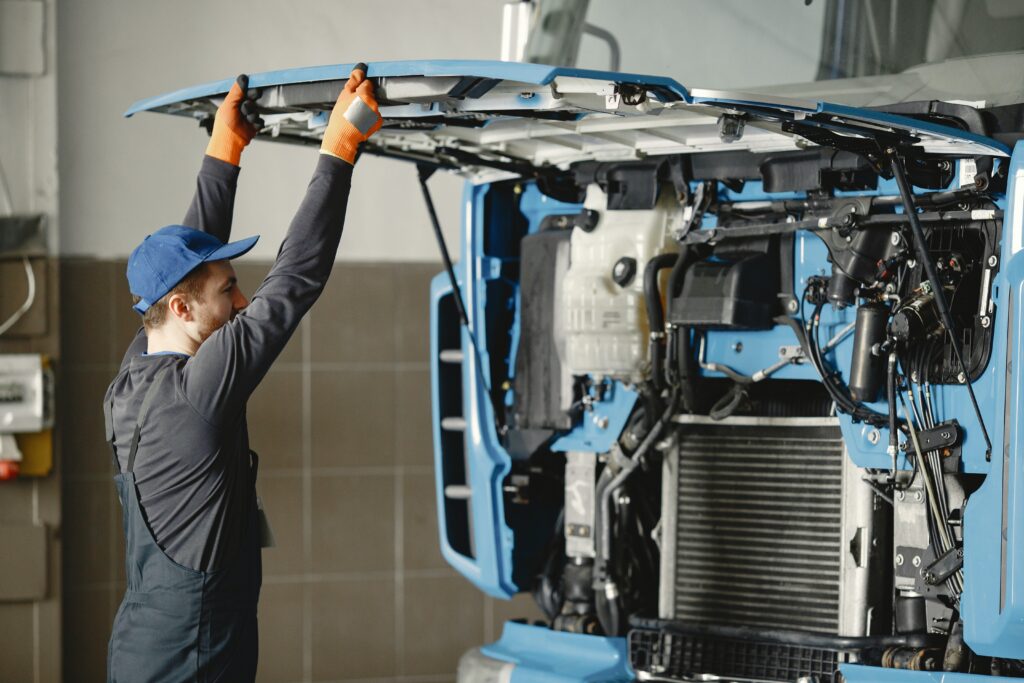
Ultimately, when a fuel pump starts acting up, the best course of action is to diagnose, repair, or proactively set up your fuel system for success.
- A diagnosis includes: fuel pressure testing the fuel rail, scanning for trouble codes that might indicate issues with the fuel system, and scanning for damaged wiring or other failures.
- Repairs include: Consulting the vehicle’s service manual, disconnecting the battery before conducting repairs, relieving fuel pressure or fuel pump fuses, removing the pump, installing the new fuel pump, and testing the system to ensure no leaks or faulty wiring assembly.
- Proactive maintenance: Key maintenance tasks like replacing fuel filters on time, using high-quality fuel and fuel additives, and keeping your fuel tank no less than a quarter full will help prevent common preventable issues (such as overheating and contamination) that can lead to a fuel pump failure.
If at any point, any of the above repair solutions seem challenging to attempt on your own, you can always reach out to your local diesel repair technicians. They have the knowledge, tools, and systems to repair your vehicle so that it can run thousands of miles more.
Where to get dedicated repairs for high-pressure fuel pumps
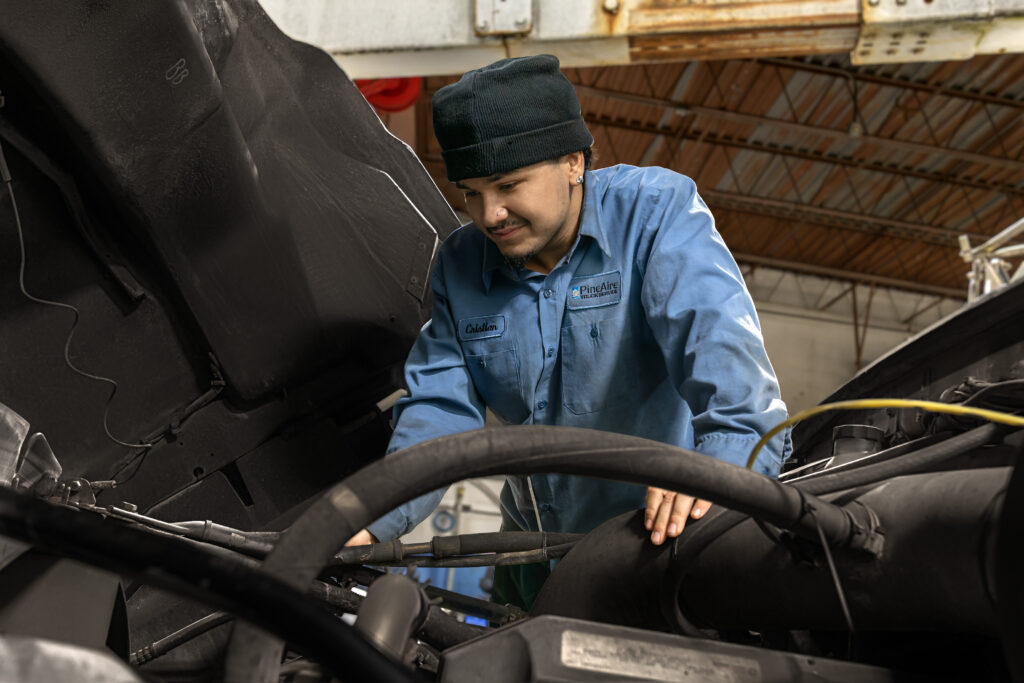
If you notice lackluster fuel efficiency, fuel delivery, or engine performance, you could be experiencing mechanical issues with your fuel flow. While you might think of putting off fixing your fuel system in the short-term, doing so can lead to costly repairs later down the road.
To reduce severe engine damage and to help increase efficient combustion, we recommend bringing your vehicle to a local diesel truck repair team. You can find a dedicated truck repair team through any of the following means:
- Using online searches to browse local diesel vehicle mechanics and truck advisory teams
- Calling 411, a phone directory assistance service number, which, if you’re located in the United States, will help you find phone numbers for local mechanics.
- Checking online review-based platforms like Yelp, Trustpilot, Nextdoor, and more.
And, if you find yourself in the Bayshore, Long Island, New York area, don’t hesitate to stop by our 10-bay facility. Our ASE-certified technicians are trained to provide top-quality repair solutions for fuel systems, so you can keep doing what you do best.
Plus, we have the knowledge, expertise, and tools needed to provide an accurate diagnosis, the first time around. For more than 40 years, we’ve provided helpful service that goes beyond standard expectations.
For immediate service or support, give our diesel repair technicians a call at (631) 243-1900, or contact us today to schedule a convenient service intake.
Pine Aire Truck: Complete Diesel Truck, Fuel System, and Engine Repairs Since 1986