Water pumps act like they create pressure tiny foot soldiers for your truck’s engine. They circulate coolant through an engine to help regulate its temperature. They play a critical role in maintaining the engine’s operating temperature. The question is, how can you identify water pump failure symptoms before they occur?
And, more importantly, what do you do if your water pump starts acting up? The diesel technicians at Pine Aire Truck have repaired water pumps of all kinds.
From trucks to vans and buses, we’ve replaced water pumps of all kinds over the last 40 years of business. So, if you’re looking for how to identify a broken or malfunctioning water pump, you’ve come to the right place.
In this quick article, we’ll discuss five signs of a broken or failing water pump, in addition to:
- What a water pump does
- Factors affecting the cost of replacing a water pump
- What to do if you need to replace a water pump
- Frequently asked questions (FAQ) about water pump failures
What does a water pump do?

Before we proceed, let’s ensure we understand the purpose of a water pump. The water pump acts like the heart of the central, proverbial plumbing of your engine.
It’s tasked with keeping your engine at an optimal temperature by circulating coolant. It drives coolant through a series of passages and hoses that connect to the engine, radiator, and heater core of your vehicle.
As the engine runs, the pump creates a continuous flow of coolant, and the coolant absorbs heat from the engine block. As the coolant absorbs heat, it carries it to the radiator, scattering it into the air.
What’s more, the thermostat helps regulate the entire cooling process by controlling the coolant flow based on the engine’s temperature. When the engine is cold, the thermostat stays cold, allowing coolant to circulate in the engine. Once the coolant warms up to the optimal temperature, the thermostat opens, allowing the coolant to flow to the radiator.
Next, the coolant helps maintain the temperature of the liquid as it heats up. Finally, the water pump is essential for maintaining a healthy engine, because it keeps the engine from overheating and therefore causing breakdowns and expensive truck repairs.
5 Common signs that a water pump may be broken or failing
A broken or faulty water pump can cause serious damage to an engine. Recognizing the five common signs of a broken water pump can help you make more informed decisions for the health and longevity of your truck.
Here are five common symptoms to look for to prevent potential engine damage due to a faulty water pump. We’ll break each symptom down in the remaining sections of this article:
| 1. Vehicle overheating 2. Whining noises 3. Squealing noises 4. Leaking coolant 5. Water pump corrosion |
1. Vehicle starts overheating
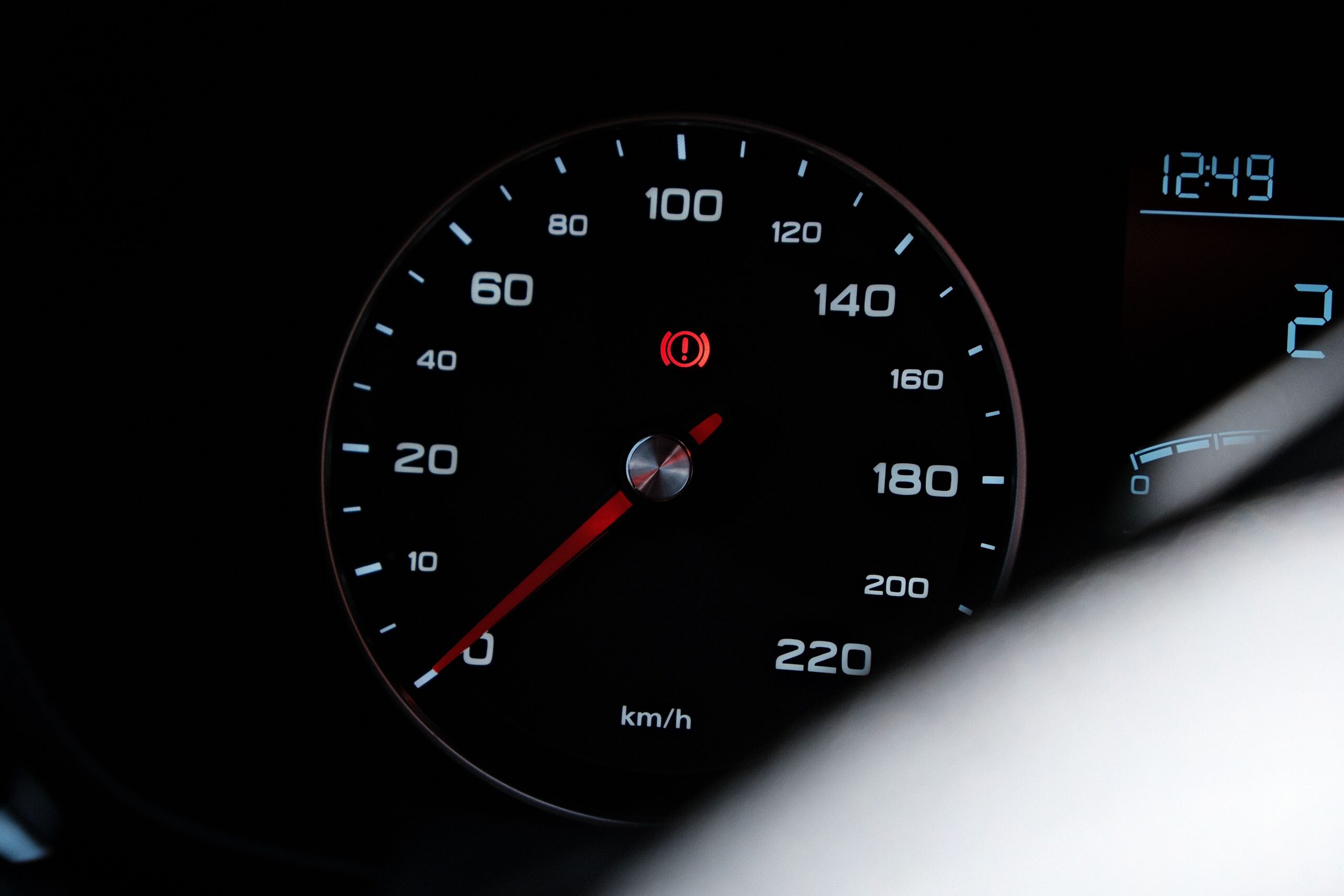
You could be experiencing water pump failure symptoms if your engine starts overheating. The heat generated from combustion may not be transported to the radiator to be cooled.
Overheating can occur in or around the water pump if the following occurs:
- An air pocket in the cooling system occurs, preventing coolant from circulating. The result is a water pump leak.
- The water pump’s impeller has been blown apart by debris or cracks due to freezing temperatures
- The shaft seizes up due to corrosion or bearing failures
If you notice your truck is overheating, we recommend pulling over and turning it off until the truck cools down. If not, you could experience damage to gaskets, cylinders, or worse, your engine.
2. Whining noises come from the vehicle
A failing water pump can create a whining, growling, or grinding sound. The reason for this noise is a worn-out bearing or loose pulley.
If you hear whining noises coming from your truck, pay special attention to the engine RPM. If you notice that the noise changes as you accelerate, the noise is likely coming from a component like the water pump.
As a way to prevent water pump failures, bring your truck to a reliable truck repair shop for preventive maintenance, and ask your mechanic to use a mechanic’s stethoscope to isolate the noise. If you notice that the noise is louder near the water pump, the issue could be with the bearing.
3. Squealing noises coming from the vehicle
Speaking of noises, if you notice squealing or chipping noises from the front of the engine, you could be experiencing a failing water pump. The serpentine belt could be making noise, as resistance from the water pump can cause it to slip along the pulley.
The culprit for the cadence in these noises is likely a worn shaft bearing. Your truck can operate in this way for weeks or months at a time — or it can fail immediately after by seizing up.
Nevertheless, you should still take this symptom seriously, as it indicates bad news bears for your water pump.
4. Coolant starts to leak
Leaking coolant: It indicates all sorts of failures. However, if you notice coolant on the front of an engine, your truck could be experiencing signs of a failing water pump (which can lead to engine damage if not addressed as soon as possible).
Nevertheless, the water pump gasket, where the coolant mounts to the engine, or the seal on the water pump shaft, could be the source of disrepair.
One way to tell if you’re experiencing a coolant leak is if you notice a white trail of residue mixed with the color of your coolant. What’s more, you may not notice any coolant on the ground, as it could also dry to the metal surfaces of your engine near the front of your vehicle due to the heat around the engine.
If you notice reduced coolant flow or low coolant levels, consider checking the timing belt, water pump pulley, engine seals, engine gaskets, or the serpentine belt. Replacing these components may help you resolve the issue.
Additionally, if you feel you need help, we’re always happy to lend a hand. Feel free to call us or a local truck repair shop near you for prompt and helpful service.
5. The water pump starts corroding
Rust & wear and tear can all result in corrosion, a key warning sign that your water pump might be going bad. The reason for corrosion lies inside the pump.
Internally, contaminated or improperly mixed coolant can corrode the impeller of the water pump. On the outside of the water pump, corrosion can lead to the serpentine belt slipping.
Finally, an aging water pump can appear corroded, indicating that it’s failing, regardless of whether no symptoms appear. We can’t emphasize enough how important regular maintenance is for ensuring the longevity of your truck.
By bringing your truck to a local diesel truck repair technician for diagnosis and repairs, you can save yourself time and money on expensive parts replacements to help you make your vehicle last longer.
Factors affecting the cost to replace a water pump

If you get to the point where you think you might need to replace your water pump, there’s no other solution than to fix it as soon as possible. A few factors that can affect the cost of a water pump replacement include:
- Replacement part costs: Often, if you’re replacing your water pump, you may need to replace ancillary parts like coolant, gaskets, and the serpentine belt.
- Labor costs: If you’re not prepared to fix the water pump yourself, expect to pay a labor fee for the cost of a professional mechanic to fix your water pump.
- The age of your truck: Depending on how old your vehicle is, the cost may increase if you’re using vintage parts for an older make and model truck.
If you’re experiencing water pump issues, another option is to go for a re-built water pump versus a new pump altogether. But if your water pump is failing, your best bet is to replace it.
What to do if you need to replace your water pump

If you need to replace your water pump and feel up to the job, here’s a quick run-down of what to expect:
- Step 1: Check the front of the engine and locate the water pump. It’s often driven by the timing belt, so check for leaks, rust, or movement in the pulley to confirm that the pump is failing.
- Step 2: Make sure to drain the coolant. Place a drain pan under the radiator or radiator hose, removing the drain plug and hose from the radiator so that the coolant can drain. Make sure to dispose of the old coolant.
- Step 3: If necessary, remove the battery.
- Step 4: Remove the serpentine and timing belt.
- Step 5: Unbolt and remove the old water pump.
- Step 6: Clean the mountain surface before installing the new water pump. You may need to apply gasket sealant and position the new gasket. Align the pump, and then tighten the mounting bolts.
- Step 7: Reinstall belts and components as needed before refilling the coolant.
- Step 8: Reconnect the battery, and allow the engine to idle. Check the temperature gauge.
- Step 9: Check for leaks, and ensure that the pump is operating according to manufacturer guidelines. Conduct a quick test drive, and then inspect the coolant levels. If needed, top off coolant according to your owner’s manual guidelines.
We get it, though. That’s alotta steps.😰
Checking the cooling system, head gasket, engine temperature, coolant levels, and more can be somewhat time-consuming. If you need help replacing the water pump, our diesel mechanics would be more than willing to lend you a hand.
With more than 40 years of experience with diesel trucks, our team has seen and repaired it all. Whether you think your engine is overheating or you hear unusual noises coming from your vehicle, we’d be happy to take a look under the hood of your rig.🚚
For prompt, fast, and efficient truck service, don’t hesitate to call our diesel technicians at (631) 243-1900 to schedule a diesel truck intake. We’re here to help you get back on the road so you can do what you do best.
📞To schedule service for a diesel truck, contact us today.
Frequently asked questions (FAQ) about water pump symptoms
1. What does a water pump do in a truck?
The purpose of a water pump is to circulate coolant that absorbs heat. It receives coolant from the radiator, sends it through hoses to the engine, and the coolant absorbs heat. When the coolant liquid absorbs heat, it sends it back to the radiator, where the radiator is cooled so that the cycle can begin again.
A water pump is a vital component in preventing catastrophic engine and radiator damage. A water pump helps keep an engine cool and fully functional. It’s key to maintaining an optimal temperature inside the engine.
2. What are the signs your water pump is malfunctioning?
The initial signs of a water pump malfunction or a damaged water pump include:
- Leaking coolant
- Whining or squealing noises coming from the vehicle
- An overheating engine
- Corrosion at or near the site of the water pump
If you notice any of these signs, especially an overheating engine, pull over immediately, as overheating is a serious issue that can cause engine damage if not addressed right away.
3. What else should you replace when replacing a water pump?
Possible components that you might need to replace when replacing a water pump include:
- Pulleys
- Coolant
- The thermostat
- Serpentine, timing, and accessory belts
- Radiator hoses and cap
4. Should I operate the vehicle with a broken water pump?
Definitely not. Operating a vehicle with a broken water pump can lead to temperature increases, causing the engine to overheat.
In other words, a water pump is crucial to a well-functioning engine. Without a working water pump, the combustion heat can become trapped inside the engine block, leading to blown head gaskets, warped cylinder heads, and catastrophic engine failure.
5. How long do water pumps tend to last?
The lifespan of a water pump is about 60,000 to 90,000 miles. If your vehicle has reached 100,000 miles or more, you might be due for a pump replacement.
For heavy-duty and diesel trucks, some water pumps can last 100,000 to 150,000+ miles. Nevertheless, expect to change a water pump every five to seven years or so.
Since the water pump is critical to ensuring the optimal temperature in an engine, make sure all components near it, such as seals and gaskets, are well-maintained. By keeping components near the water pump in working order, you can help increase the odds that your truck’s water pump lasts long and strong for years to come.
Pine Aire Truck: Efficient, Reliable, and Comprehensive Diesel Truck Repairs Since 1986