
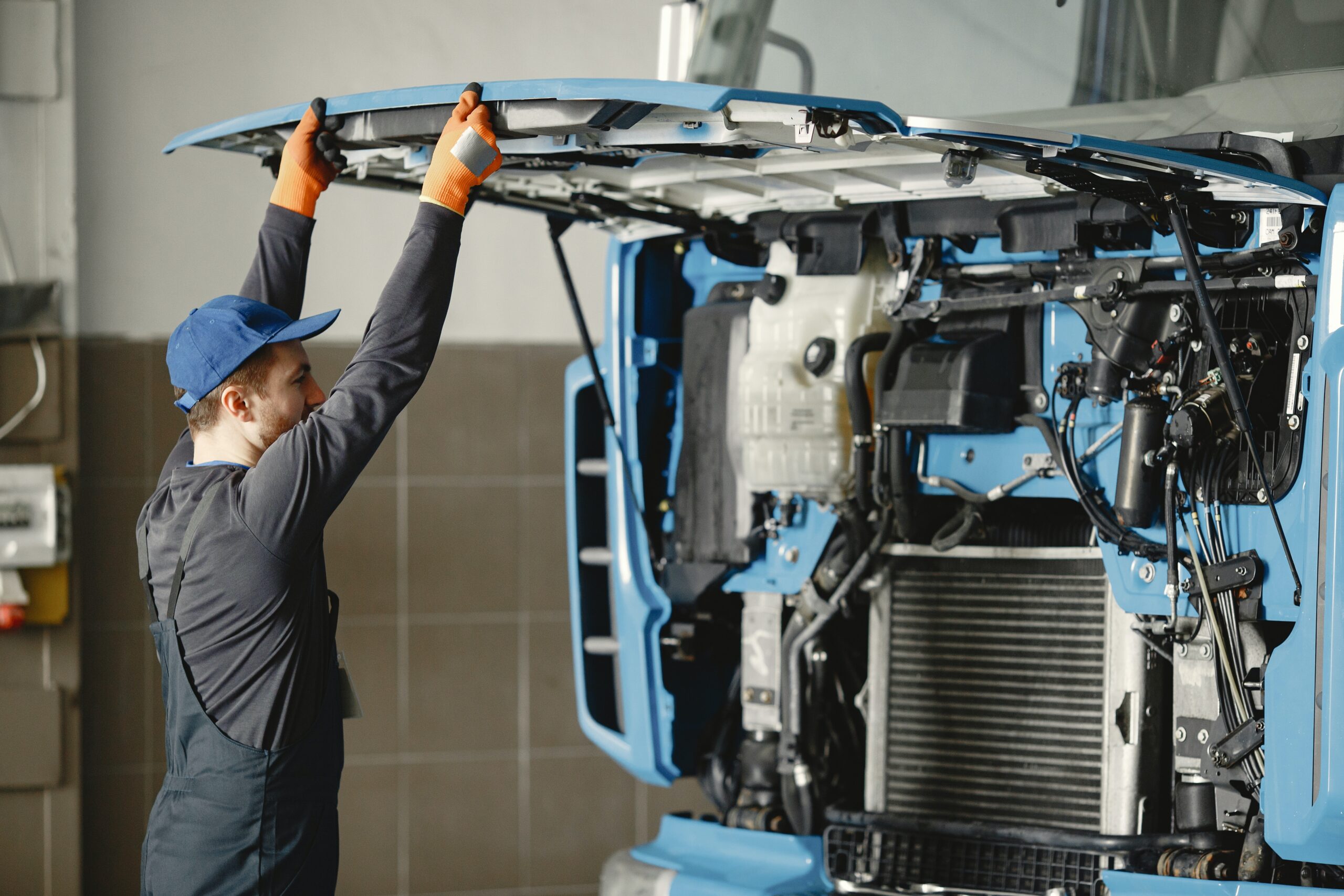
Valves are essential. They power your truck, and they’re the lifeblood of your internal combustion engine.
The thousands of times they open and close per minute are crucial to keeping you moving. But when they fail, they can lead to reduced power and potential engine failure.
To help you avoid a potential catastrophic loss of your engine and vehicle, you definitely need to be at least familiar with how valves work.
While you may not need to know what a camshaft or rocker arm is, being familiar with the general idea of an engine valve will help you avoid unnecessary truck maintenance and truck failures.
Pine Aire Truck here: we’ve been providing exceptional truck repair service for more than 40 years, and we’re all about making sure you and your number one asset, your truck, run long and strong.
Join us! In this article, we’ll discuss what engine valves do, how they work, and how engine components operate to help keep you and your truck fueled and ready for action.
5 Key areas to focus on with engine valves
| 1. Valve mechanisms and operations 2. Intake strokes 3. Compression and power strokes 4. Exhaust stroke 5. Valve timing and overlapping |
What are engine valves?

Engine valves are key components that help control the flow of air and fuel in the combustion chamber. Why is that important?
The combustion chamber helps exhaust gases exit the chamber. Without exhaust gas exiting a combustion chamber, an engine can lose power, stop altogether, and suffer severe damage.
The two main types of engine values to keep in mind are:
- Intake valves
- Exhaust valves
Intake valves help facilitate the entry of air-fuel mixture into the combustion chamber, and yep, as you guessed it, exhaust valves help enable the expulsion of, well, exhaust gases.
Now that we have a general idea of what valves are, let’s take a look at how they operate, and which mechanisms make them work.
How do valve mechanisms work and operate?

Valves operate through a camshaft, the former which synchronizes with an engine camshaft’s rotation. In fact, camshafts are equipped with lobes that place pressure and force on valves.
How does the camshaft place pressure on the valves? Through lifters, pushrods, and rocker arms, three key components in the engine.
As the camshaft rotates, and according to the engine’s timing, these lobes push the valves open and closed. This brings us to our next key process in the engine valve operation process, the intake stroke.
How about the intake stroke?
As the lobes push valves open and closed, cue the intake stroke. The intake stroke draws air and fuel into the combustion chamber.
The piston lowers into the cylinder, creating a vacuum-like effect in the cylinder. The intake valve opens, allowing air and fuel to enter the combustion chamber from the intake manifold.
This mixture is essential for the combustion process and overall engine power.
We then have to compress the air-fuel mixture within the cylinder, a mighty job that’s delegated to the compression stroke.
The importance of compression and power strokes
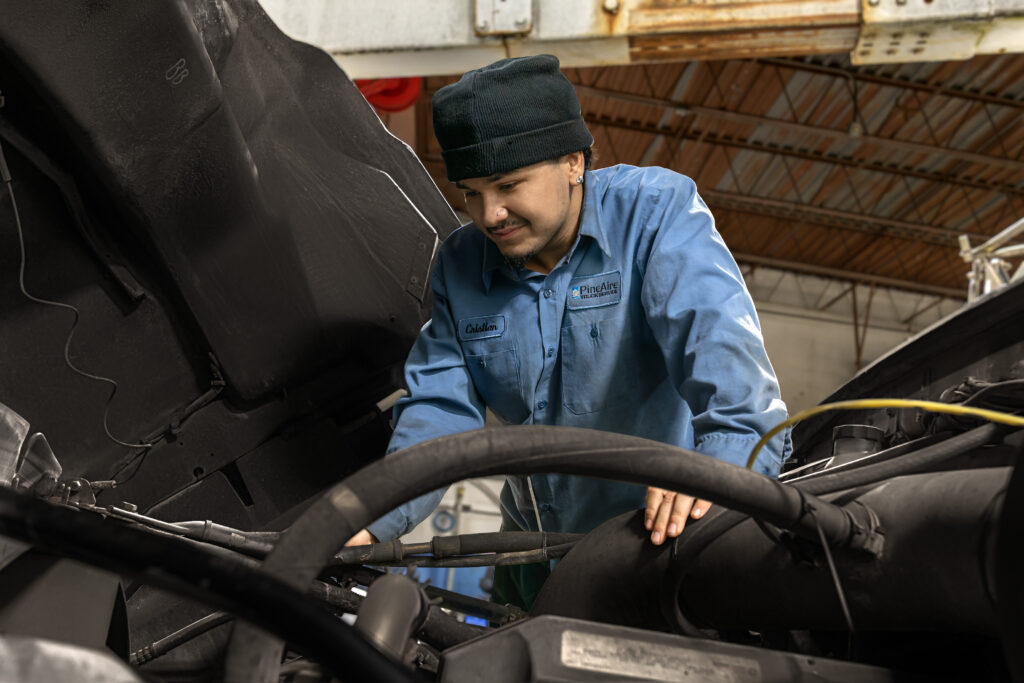
So, we’ve discussed the intake stroke. What happens next? You might be wondering.
The intake valve closes after the air-fuel mixture enters the combustion chamber. The piston then moves upward during what’s called the compression stroke. The compression stroke compresses the air-fuel mixture within the cylinder.
At the top of the compression stroke, the spark plug ignites the compressed mixture, initiating what’s called the power stroke. The power stroke stores energy that’s used to power the truck.
In other words, the expanding gases from combustion force the piston down, generating power to make the vehicle move. We can thank the miracle of modern engineering and science for powering our trucks, just another gift to be grateful for this season.
The role of exhaust strokes
Nevertheless, after the power stroke, the exhaust valve opens, helping your truck rid itself of burned gas through the exhaust manifold. After the gases are expelled from the engine through the exhaust system, the exhaust valve begins its upward movement in preparation for the next intake stroke.
Then, the intake and exhaust valves work their magic once, or a few thousand times, more.
Valve timing
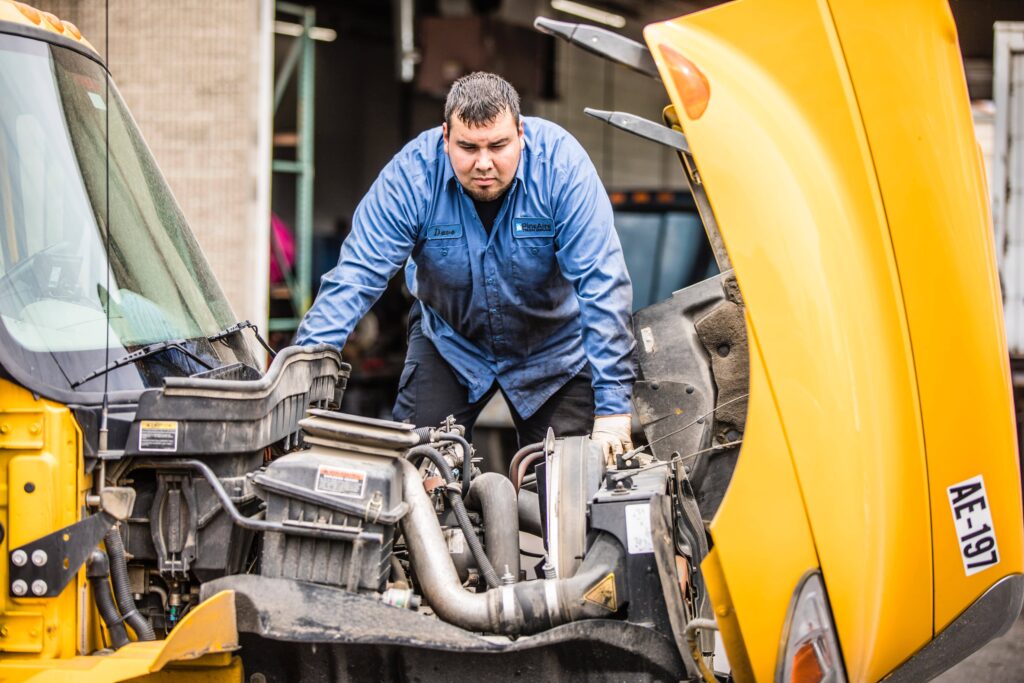
As you can imagine, ensuring the precise and accurate movement of each of the valves is essential for optimal engine performance. In fact, the timing of the movement of the values determines the opening and closing of the intakes.
Often, though, a brief period called valve overlap can occur. Valve overlap is when both the intake and exhaust valves stay open at the same time.
Valve overlap is important because this process helps remove the remaining exhaust gas from the engine, thereby ensuring a more efficient engine.
Valve timing is, well, kind of a big deal.
Did you know?
Mineral dust and oil on the road: the fine particles that get in between your wheels and under your truck can be partially responsible for a decrease in engine performance, according to recent research. If you believe your engine isn’t operating with as much efficiency, consider checking under the vehicle and see what gunk has lodged itself in the valves, pistons, and intakes near your engine and exhaust systems.
As always, you can always reach out to a diesel truck repair technician if needed. Diesel truck repair technicians have the knowledge and skill to diagnose and identify the root cause of inefficiencies under a truck’s hood, so don’t hesitate to reach out to them if you need any advice for your rig.
Need valve work on your truck’s diesel engine?
If you determine that your engine needs work, or even if you’re only half-sure that it needs work, you can never go wrong with reaching out to a knowledgeable diesel truck repair mechanic. A diesel truck repair team has the technology, tools, experience, and knowledge to diagnose the issue, source the right parts, and repair your truck right the first time around.
If you live on Long Island, New York, and are looking for a team with a proven track record of success repairing diesel trucks of all sizes and shapes, we’d be happy to help.
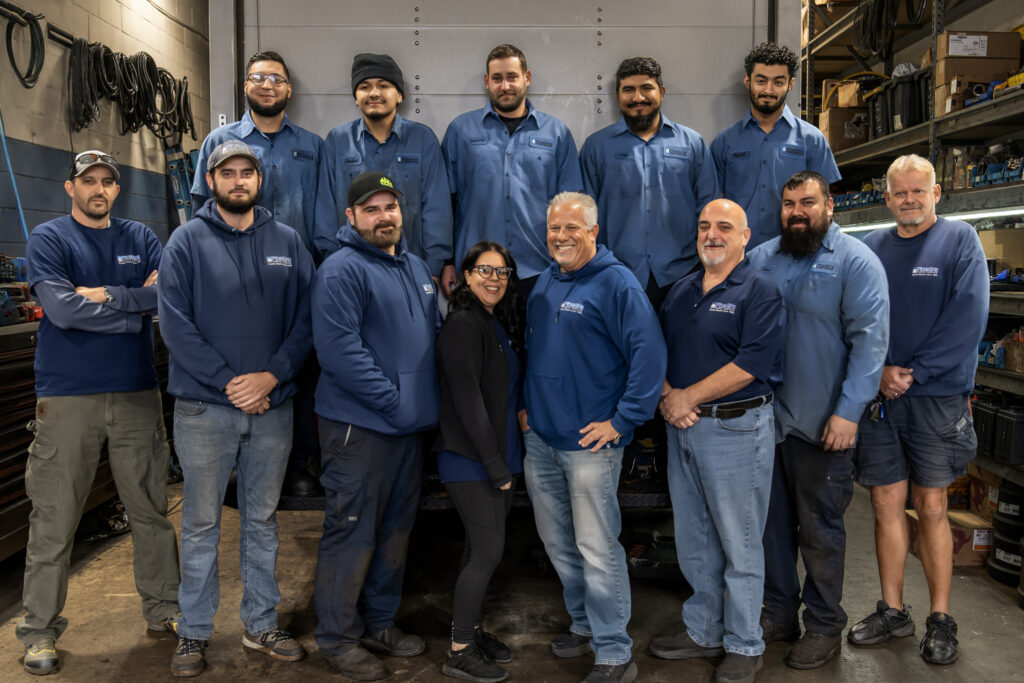
Our diesel truck repair technicians have more than 40 years of experience repairing trucks and consulting truck drivers on how to keep trucks working at their best for the long haul.
So, if you’re in it for the long haul, and want a partner who can take you all the way, contact our diesel truck repair team for expedient and complete truck repairs. Until then, we wish you all the best on the road ahead.
Pine Aire Truck: Complete Diesel Truck Repairs Since 1986